How to Build Emotional Intimacy Before Marriage

Marriage is a lifelong commitment that thrives on a strong foundation of emotional intimacy. Before saying “I do,” couples can nurture a deep, meaningful connection that sets the stage for a healthy and fulfilling relationship. Emotional intimacy goes beyond physical attraction or shared interests—it’s about vulnerability, trust, and understanding each other on a profound level. Here’s how to cultivate it before tying the knot.

Emotional Intimacy Before Marriage

What Is Emotional Intimacy?

Emotional intimacy is the ability to share your innermost thoughts, fears, dreams, and feelings with your partner without judgment. It’s the glue that holds a relationship together during life’s inevitable challenges. Unlike physical intimacy, which can develop quickly, emotional closeness requires time, effort, and intentionality. For couples preparing for marriage, building this bond ensures they enter the partnership with a solid emotional framework.

Why Emotional Intimacy Matters Before Marriage

Before marriage, couples often focus on wedding plans, finances, or logistics, but emotional intimacy is the cornerstone of a lasting union. It fosters trust, reduces misunderstandings, and prepares you to navigate conflict together. Without it, even the most passionate relationships can falter when faced with stress or adversity. By prioritizing emotional closeness early, you create a safe space where both partners feel valued and heard—key ingredients for a thriving marriage.

Practical Steps to Build Emotional Intimacy

Here are actionable ways to deepen your emotional connection before walking down the aisle.

1. Practice Open and Honest Communication

Communication is the heartbeat of emotional intimacy. Share your thoughts and feelings openly, even when it’s uncomfortable. Discuss your expectations for marriage, your fears about the future, and your personal goals. Ask your partner questions like, “What makes you feel most loved?” or “What’s one thing you’re nervous about as we approach marriage?” Listening without interrupting or jumping to solutions shows you value their perspective.

For example, instead of brushing off a disagreement about wedding plans, dig deeper. If one of you feels strongly about a detail, explore why it matters. This builds understanding and strengthens your bond.

2. Be Vulnerable with Each Other

Vulnerability is scary but essential. Share something you’ve never told anyone—a childhood memory, a past mistake, or an insecurity. When you lower your defenses, it encourages your partner to do the same. This mutual openness creates a deeper level of trust. Start small if it feels daunting; maybe confess a quirky fear or a silly dream. Over time, these moments weave a tapestry of closeness that’s hard to unravel.

3. Spend Quality Time Together

Emotional intimacy doesn’t grow in a vacuum—it needs time to flourish. Go beyond date nights and plan intentional moments to connect. Take a walk without phones, cook a meal together, or play a game that sparks conversation. The goal isn’t just to be together but to engage fully with each other. Ask thought-provoking questions like, “What’s one thing you hope we never lose in our relationship?” These interactions build memories and reinforce your emotional ties.

4. Learn Each Other’s Love Languages

Understanding how your partner gives and receives love can transform your relationship. The five love languages—words of affirmation, acts of service, receiving gifts, quality time, and physical touch—offer a roadmap to meeting each other’s emotional needs. If your partner feels loved through acts of service, doing something thoughtful like running an errand for them can speak volumes. Tailoring your actions to their preferences shows you’re invested in their happiness.

5. Navigate Conflict Constructively

Disagreements are inevitable, but how you handle them can either build or break intimacy. Approach conflicts with a team mindset: it’s not you versus your partner, but both of you versus the problem. Use “I” statements—like “I feel hurt when…” instead of “You always…”—to express yourself without blaming. Then, listen to their side and work toward a solution together. Successfully resolving a fight deepens trust and proves you can weather storms as a unit.

Overcoming Common Barriers

Building emotional intimacy isn’t always smooth sailing. Life gets busy, and past hurts can make vulnerability hard. If one of you struggles to open up, be patient. Create a judgment-free zone and gently encourage sharing over time. Distractions like work or wedding stress can also pull you apart, so set boundaries—maybe a no-phone rule during dinner—to stay connected.

The Long-Term Payoff

Investing in emotional intimacy before marriage pays dividends for years. It equips you to face challenges like parenting, career shifts, or unexpected loss with resilience. A couple who knows each other’s hearts can lean on that bond when life gets tough. Plus, it makes the good times—like celebrating anniversaries or chasing shared dreams—even sweeter.

Wedgate Matrimony

Emotional intimacy is the foundation of a strong and lasting relationship. Before marriage, building a deep emotional connection with your partner is essential for mutual understanding and trust. At Wedgate Matrimony, we encourage open communication, shared experiences, and meaningful conversations to strengthen your bond. Understanding each other’s values, aspirations, and emotions helps create a secure and loving relationship. By fostering emotional closeness before marriage, couples can build a strong foundation for a happy and fulfilling life together.

Final Thoughts

Building emotional intimacy before marriage is a deliberate choice that requires effort from both partners. By communicating openly, embracing vulnerability, and prioritizing each other, you lay a foundation that can withstand anything. As you prepare for your big day, remember that the real work isn’t in the wedding—it’s in the relationship you’re crafting. Start now, and you’ll step into marriage with a connection that’s not just strong, but unbreakable.

Don’t Miss: Tips for Maintaining Harmony in a Multicultural Marriage
Tips for Maintaining Harmony in a Multicultural Marriage
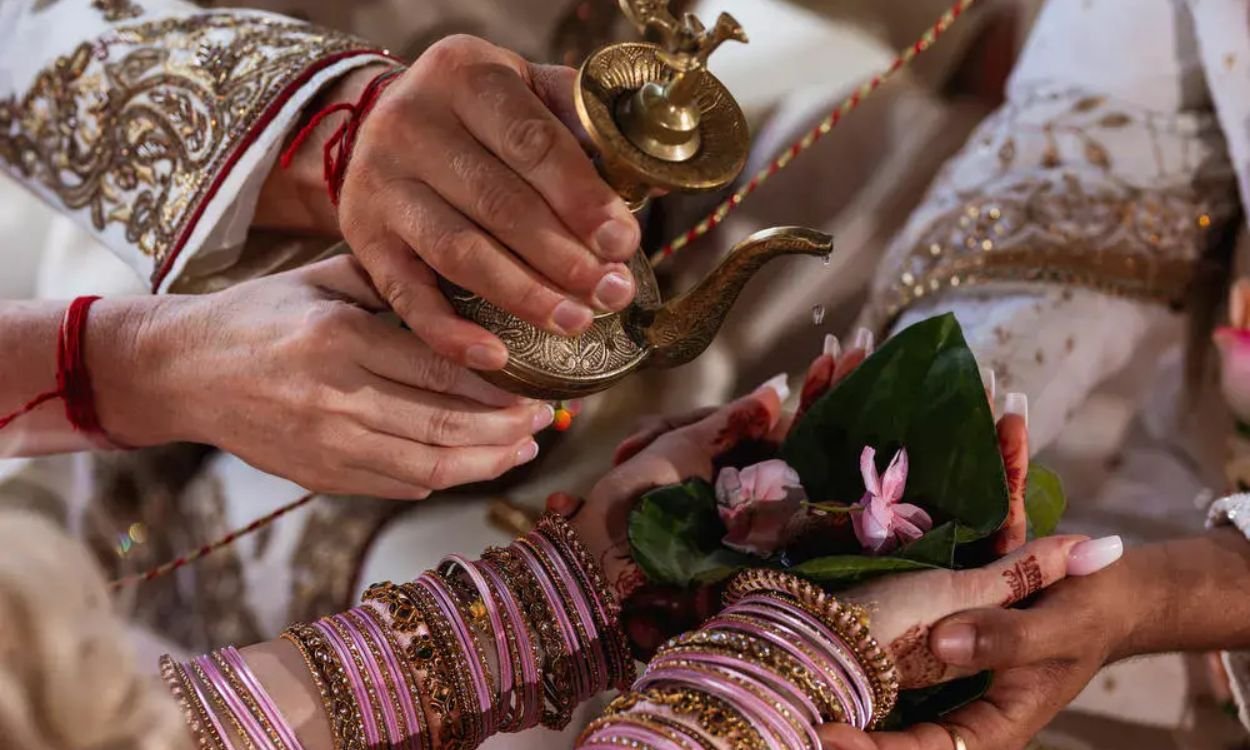
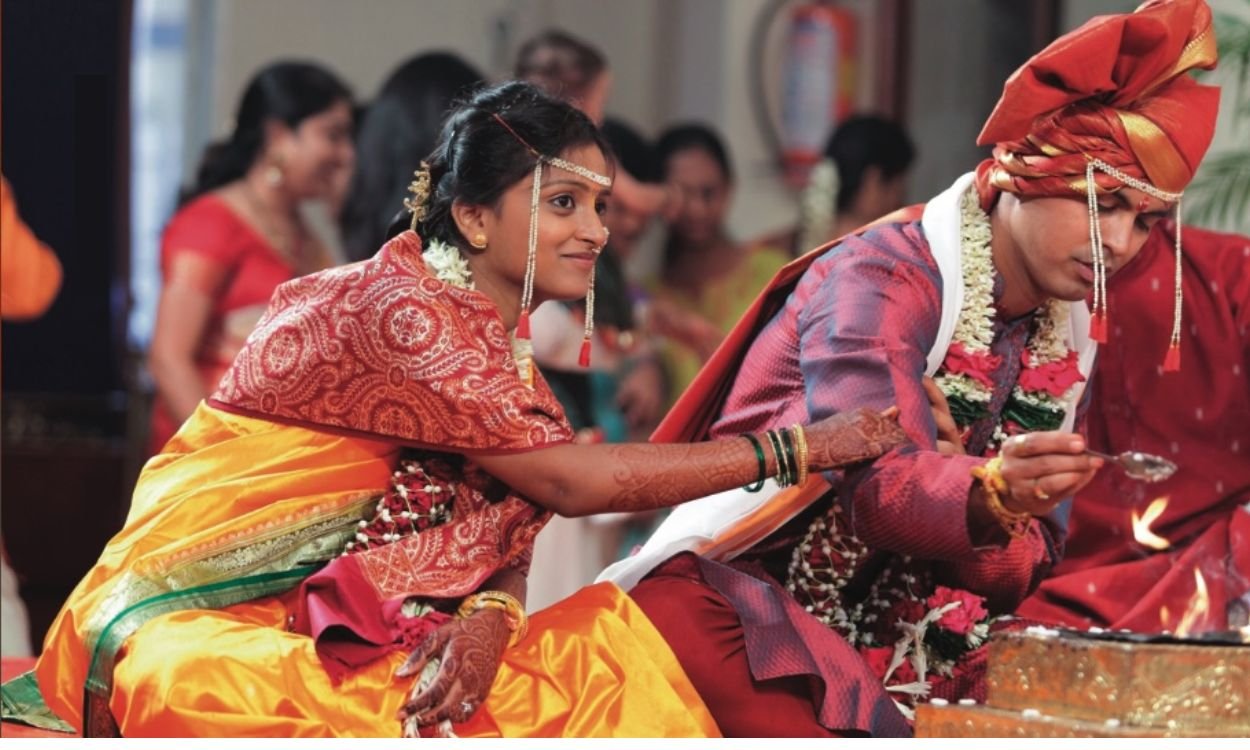
Marriage is a union of hearts, minds, and sometimes, vastly different worlds. When two people from distinct cultural backgrounds tie the knot, they bring a wealth of traditions, beliefs, and experiences into the relationship. While this diversity can make the bond extraordinary, it also calls for an intentional effort to maintain peace and understanding. Below are some practical tips to help couples thrive in a multicultural marriage.

Harmony in a Multicultural Marriage
Prioritize Clear and Kind Communication

In any marriage, communication is key—but in a multicultural one, it’s a lifeline. Language differences or contrasting communication styles can create confusion if not addressed. Be open about your thoughts and feelings, and invite your partner to do the same. If one of you speaks more indirectly due to cultural norms, clarify meanings to avoid missteps.

Set aside time to talk about your day-to-day lives and bigger dreams alike. Patience is your ally here—especially if words get lost in translation. A warm smile or a gentle touch can often say what words can’t.

Blend Traditions with Joy

A multicultural marriage offers a treasure trove of customs to explore. Instead of picking one culture over the other, dive into both with enthusiasm. Celebrate festivals like Lunar New Year or Thanksgiving together, sampling each other’s foods and rituals. This mutual participation builds respect and creates lasting memories.

Why not invent something new? Mix a dance from one culture with music from another for your anniversary, or craft a holiday that honors both heritages. These shared creations become the heartbeat of your unique family story.

Navigate Value Clashes with Care

Cultural roots often influence deep-seated values—think religion, gender roles, or money management. What feels instinctive to one partner might puzzle the other. Approach these differences with a willingness to listen rather than convince. Find compromises that reflect both of your priorities.

For instance, if one values saving for the future while the other enjoys spontaneous spending, agree on a budget that balances both. Mutual respect turns potential conflicts into opportunities for growth.

Learn and Share Knowledge

Ignorance can breed tension, so take time to study your partner’s culture. Explore its history, try its recipes, or learn a few phrases in their language. This effort shows love and helps you connect on a deeper level. Likewise, introduce your family to your spouse’s world—maybe host a meal featuring their traditional dishes.

When relatives understand and appreciate your partner’s background, it eases external pressures and fosters unity across the board.

Resolve Disputes Thoughtfully

Conflict styles can vary widely across cultures. One partner might seek a quiet resolution, while the other thrives on animated discussions. Recognize these tendencies and meet in the middle. Focus on the issue at hand, not cultural stereotypes, to keep disagreements fair and productive.

A deep breath and a willingness to see your partner’s side can go a long way. It’s about solving problems together, not winning an argument.

Lean on Like-Minded Friends

Connecting with others in multicultural marriages can be a game-changer. They get the quirks and challenges you face—like explaining why certain holidays matter or juggling family expectations. Join local meetups or online forums to swap stories and advice.

This network reminds you that your journey, while unique, isn’t isolated. It’s a source of strength when the road gets bumpy.

Laugh Together Often

Humor is a glue that holds couples together, especially when cultural quirks pop up. Missteps—like botching a traditional greeting or burning a cultural dish—can become funny tales instead of sore spots. A shared laugh keeps things light and reminds you why you chose each other.

Embrace the silliness of your differences; it’s part of what makes your love special.

Wedgate Matrimony

Wedgate Matrimony is a trusted matchmaking service dedicated to helping individuals find their perfect life partners. With a vast database of verified profiles and a personalized approach, they ensure meaningful and compatible matches. Their expert team understands your values, preferences, and aspirations to create successful unions. Whether seeking a traditional or modern alliance, Wedgate Matrimony is committed to making your journey to marriage smooth, secure, and fulfilling.

Wrapping Up

A multicultural marriage is a dance of two souls weaving their worlds into one. With open hearts, mutual respect, and a dash of creativity, it can be a source of endless joy and discovery. The effort you put in builds not just a partnership, but a legacy of unity.

Don’t Miss: How to Handle Cultural Differences in an Intercaste Marriage

How to Handle Cultural Differences in an Intercaste Marriage

Intercaste marriages are a beautiful celebration of love that transcends societal boundaries. However, they also come with unique challenges due to differences in traditions, values, and family expectations. Successfully navigating these cultural differences requires understanding, patience, and mutual respect. Here’s how you can ensure harmony in your intercaste marriage while embracing the richness of diverse traditions.

intercaste marriage

1. Open and Honest Communication

Communication is the foundation of any successful relationship, but it becomes even more crucial in an intercaste marriage. Both partners should openly discuss their cultural backgrounds, beliefs, and expectations. Address potential conflicts before they arise and find common ground on how to blend both cultures harmoniously.

2. Respect Each Other’s Traditions

Understanding and respecting each other’s customs is essential. Take the time to learn about your partner’s traditions, festivals, and rituals. Participating in each other’s cultural practices shows commitment and strengthens the bond between you and your partner’s family.

3. Find Common Values

Despite cultural differences, there will be shared values and beliefs that brought you together in the first place. Focus on these commonalities, whether they are related to family, career aspirations, or personal growth. Building your relationship around shared values will help bridge any cultural gaps.

4. Manage Family Expectations with Sensitivity

Family acceptance can be one of the biggest hurdles in an intercaste marriage. While some families may readily accept the union, others may have reservations due to traditional beliefs. Handle this with sensitivity by initiating open conversations with both families. Help them understand your love and commitment to each other and reassure them that cultural differences can be harmoniously managed.

5. Blend Cultural Celebrations

Rather than choosing one culture over another, create a unique blend of traditions. Celebrate festivals from both sides and incorporate elements from each culture into your wedding, home decor, and daily life. This not only strengthens your bond but also fosters inclusivity and mutual appreciation.

6. Support Each Other Emotionally

Adjusting to a new culture can be overwhelming, especially if one partner faces resistance from their family or community. Be each other’s strongest support system and encourage open discussions about challenges and feelings. A strong emotional connection will help you navigate difficult situations together.

7. Involve a Mediator if Needed

If cultural differences or family pressures become overwhelming, seek guidance from a trusted family member, friend, or marriage counselor. A neutral mediator can offer valuable insights and help resolve conflicts in a balanced manner.

8. Teach Future Generations About Both Cultures

If you plan to have children, discuss how you will raise them with exposure to both cultures. Teaching them about their diverse heritage will instill a sense of pride and understanding, allowing them to embrace their multicultural identity with confidence.

9. Be Patient and Adaptable

Adjusting to each other’s customs takes time, and challenges are inevitable. Be patient and willing to compromise when necessary. The key to a successful intercaste marriage is adaptability and a shared willingness to make it work.

10. Celebrate Love Above All

Cultural differences should never overshadow the love and respect that brought you together. Keep reminding yourselves why you chose each other and focus on building a life based on love, trust, and mutual understanding.

At Wedgate Matrimony, we understand the challenges and beauty of intercaste marriages. With our extensive experience in matchmaking, we help individuals find compatible partners while ensuring cultural harmony and family acceptance. Let us help you find a life partner who values love beyond barriers!

Final Thoughts Intercaste marriages are an enriching experience that allows couples to embrace diversity while fostering unity. By approaching cultural differences with openness and respect, couples can build a strong and harmonious relationship.

Don’t Miss: Dealing with Career and Marriage Conflicts in Today’s World

Dealing with Career and Marriage Conflicts in Today’s World

In today’s fast-paced and competitive world, striking a balance between career aspirations and marriage commitments has become a major challenge. With both partners often engaged in demanding professional roles, conflicts can arise due to time constraints, differing priorities, and personal ambitions. While career growth is essential for financial stability and self-fulfillment, marriage requires emotional investment, communication, and mutual understanding. Finding harmony between these two crucial aspects of life is key to maintaining a successful and fulfilling relationship.

Dealing with Career and Marriage

Understanding the Root Causes of Conflict

Conflicts between career and marriage stem from multiple factors. Some of the most common causes include:

1. Time Constraints and Work-Life Balance

Long working hours, tight deadlines, and business travel often leave little room for quality time with a spouse. When work takes precedence, the emotional connection between partners can weaken, leading to misunderstandings and resentment.

2. Different Career Priorities

Partners may have different career aspirations. One might seek rapid career advancement, requiring frequent relocations or extended working hours, while the other may prioritize stability and family life. These differing outlooks can create tension and lead to difficult compromises.

3. Financial Pressures

A highly ambitious couple may focus excessively on financial success, leading to neglect in their marriage. Financial disagreements, such as different spending habits and investment preferences, can further strain the relationship.

4. Societal and Family Expectations

Cultural and societal norms often dictate traditional roles in marriage, which may not align with modern career aspirations. Women, in particular, may face pressure to prioritize family over their profession, leading to internal and external conflicts.

Strategies for Resolving Career and Marriage Conflicts

Despite these challenges, a balanced approach can help couples navigate conflicts effectively and foster a harmonious relationship.

1. Open and Honest Communication

Transparent discussions about career goals, expectations, and personal aspirations are essential. Both partners should express their concerns and work together to find common ground.

2. Prioritizing Quality Time

Spending meaningful time together strengthens the emotional bond between partners. Scheduling regular date nights, vacations, or simply engaging in daily conversations can help maintain intimacy despite busy schedules.

3. Setting Mutual Goals

Couples should establish shared long-term goals that include both career aspirations and marital priorities. Understanding each other’s ambitions and supporting each other’s growth fosters a sense of partnership.

4. Flexibility and Compromise

Rigid expectations can lead to unnecessary conflicts. A flexible approach, where both partners adjust and accommodate each other’s needs, can ensure that both career and marriage thrive simultaneously.

5. Seeking Professional Guidance

Sometimes, external guidance from marriage counselors or career coaches can provide objective insights into resolving conflicts. Seeking professional help can prevent small disagreements from escalating into major issues.

The Role of Support Systems in Maintaining Balance

Strong support systems, including family, friends, and professional networks, can play a crucial role in helping couples manage career and marriage responsibilities effectively.

  • Family Support: Understanding and cooperative family members can ease pressures by offering assistance with household responsibilities or childcare.
  • Workplace Flexibility: Companies that offer work-from-home options, parental leave, and flexible hours enable professionals to balance their personal and work lives better.
  • Mutual Encouragement: Encouraging each other’s career growth and celebrating achievements strengthens the bond between partners.

At Wedgate Matrimony, we believe that finding a compatible life partner plays a crucial role in overcoming career and marriage conflicts. Our expert matchmaking services ensure that you meet someone who understands your ambitions, values your dreams, and supports you in both personal and professional growth. Together, you can create a harmonious and fulfilling life, balancing love and career effortlessly.

Conclusion:

Balancing career and marriage requires continuous effort, patience, and mutual understanding. While professional success is important, a strong and supportive relationship provides emotional fulfillment and stability. By fostering open communication, setting shared goals, and practicing flexibility, couples can effectively navigate conflicts and create a harmonious life together.

Don’t Miss: How South Indian Weddings Differ from North Indian Marriages

How South Indian Weddings Differ from North Indian Marriages

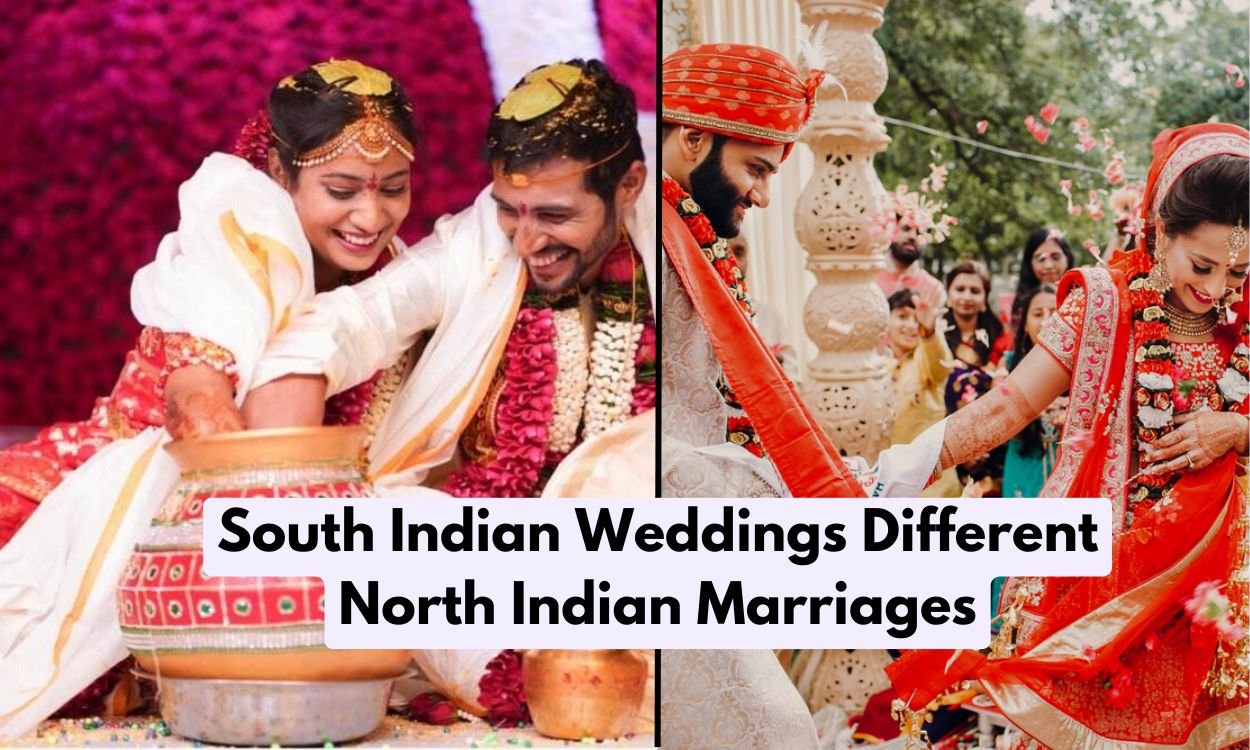
India is a land of diverse cultures and traditions, and this diversity is beautifully reflected in its weddings. The contrast between South Indian and North Indian marriages is striking, with each region having its unique customs, rituals, and celebrations. While both emphasize the sanctity of marriage, their approaches to ceremonies, attire, food, and music differ significantly. This blog explores the key differences between South Indian and North Indian weddings.

South Indian Weddings Different North Indian Marriages

1. Pre-Wedding Rituals

North Indian Weddings

  • Roka Ceremony: The formal announcement of the engagement where both families exchange gifts.
  • Mehendi Ceremony: The bride’s hands and feet are beautifully decorated with intricate henna patterns.
  • Sangeet Night: A musical evening filled with dance performances and entertainment.
  • Haldi Ceremony: A turmeric paste is applied to the bride and groom for a natural glow.

South Indian Weddings

  • Nischayathartham (Engagement): A formal ceremony with prayers and exchange of gifts.
  • Panda Kaal Muhurtham: A special prayer ceremony conducted for a smooth wedding.
  • Kashi Yatra: The groom pretends to renounce worldly life, but is persuaded by the bride’s father to marry.
  • Mehendi Ceremony: While not as grand as in North India, henna is applied to the bride’s hands.

2. Wedding Attire

Bride’s Attire

  • North Indian Brides: Typically wear heavily embroidered lehengas in shades of red, pink, or gold, complemented by elaborate jewelry and accessories.
  • South Indian Brides: Adorn Kanjeevaram silk sarees in bright colors like gold, red, and green, with traditional temple jewelry and flowers in their hair.

Groom’s Attire

  • North Indian Grooms: Prefer sherwanis or bandhgalas with turbans and kalgi (jewel on the turban).
  • South Indian Grooms: Wear a white or cream dhoti (veshti) paired with a silk angavastram and a simple turban.

3. Wedding Rituals and Customs

North Indian Wedding Rituals

  • Baraat Procession: The groom arrives at the venue with a grand procession accompanied by a band and dancing.
  • Jaimala Exchange: The bride and groom exchange floral garlands as a symbol of acceptance.
  • Pheras (Sacred Circles): The couple takes seven rounds around the sacred fire, making vows.
  • Sindoor and Mangalsutra: The groom applies sindoor (vermillion) to the bride’s forehead and ties a mangalsutra (sacred necklace) around her neck.

South Indian Wedding Rituals

  • Kanyadanam: The bride’s father gives her hand in marriage to the groom.
  • Mangalsutra Ceremony: The groom ties a sacred thread (thaali) around the bride’s neck.
  • Saptapadi (Seven Steps): The couple takes seven symbolic steps together, signifying their union.
  • Muhurtham: The auspicious moment when the marriage is officially solemnized.

4. Food and Feast

North Indian Wedding Feast

  • Grand buffets with multiple cuisines including Mughlai, Punjabi, and international dishes.
  • Popular dishes include paneer butter masala, biryani, dal makhani, and rich sweets like gulab jamun and jalebi.
  • Alcohol is often served at North Indian weddings.

South Indian Wedding Feast

  • Traditionally served on banana leaves with a variety of vegetarian dishes.
  • Includes delicacies like sambar, rasam, dosa, idli, payasam, and banana chips.
  • Meals are typically vegetarian and alcohol-free.

5. Music and Dance

North Indian Weddings

  • Bollywood music and DJ performances dominate the celebrations.
  • Dance forms like Bhangra and Gidda are commonly performed.

South Indian Weddings

  • Carnatic music and traditional Nadaswaram (wind instrument) play a key role.
  • Classical dance forms like Bharatanatyam or Kuchipudi may be performed.

6. Wedding Decor and Venue

North Indian Weddings

  • Held in lavish banquet halls, farmhouses, or grand palaces.
  • Use of heavy floral decorations, chandeliers, and modern themes.

South Indian Weddings

  • Conducted in temples or traditional wedding halls.
  • The decor features banana leaves, fresh flowers like jasmine, and kolam (rangoli patterns).

7. Post-Wedding Rituals

North Indian Weddings

  • Vidaai (Farewell Ceremony): The bride bids an emotional farewell to her family.
  • Reception: A grand party hosted by the groom’s family to welcome the bride.

South Indian Weddings

  • Grihapravesham: The bride enters the groom’s house, symbolizing a new beginning.
  • Reception: A simple gathering where guests bless the newlyweds.

Wedgate Matrimony

Wedgate Matrimony is a leading matchmaking service that helps individuals find their perfect life partners with ease and trust. With a vast database of verified profiles and a personalized approach, they ensure meaningful and compatible matches. Their expert team understands your preferences, values, and cultural background to create successful unions. Whether you desire a traditional or modern alliance, Wedgate Matrimony is dedicated to making your search for a life partner smooth, secure, and fulfilling.

Conclusion

While North and South Indian weddings differ in terms of rituals, attire, and celebrations, both uphold the sanctity of marriage and the importance of family. Each wedding is a grand affair, celebrating love, tradition, and cultural richness in its own unique way. Whether it’s the vibrant and extravagant North Indian weddings or the elegant and spiritually significant South Indian weddings, both offer a glimpse into India’s diverse heritage and customs.

Don’t Miss: Unique Pre-Wedding Rituals in Different Indian Communities

Unique Pre-Wedding Rituals in Different Indian Communities

India, a land of diverse cultures and traditions, boasts an array of fascinating pre-wedding rituals that vary from region to region. These ceremonies, deeply rooted in history and customs, serve to bless the couple and prepare them for their new journey together. Here, we explore some unique pre-wedding rituals across different Indian communities that showcase the country’s rich cultural tapestry.

Unique Pre-Wedding Rituals

1. Gujarati Pre-Wedding Rituals

Chandlo Matli

  • The groom’s father-in-law visits him with a ‘chandlo’ (a red circular mark) on his forehead and gifts him a token of acceptance.
  • This marks the official engagement between the two families.

Pithi Ceremony

  • A turmeric paste is applied to the bride and groom to purify and bless them before marriage.
  • This is accompanied by traditional songs and celebrations.

2. Punjabi Pre-Wedding Rituals

Roka and Thaka

  • The Roka ceremony is a formal announcement of the wedding, where both families exchange gifts.
  • Thaka follows, which is an extended celebration where the couple is blessed.

Chooda Ceremony

  • The bride’s maternal uncle gifts her a set of red and white bangles (chooda), which symbolize prosperity and marital bliss.
  • The bride wears these bangles for a significant period after the wedding.

Kaleerein Ceremony

  • Golden umbrella-shaped ornaments (kaleerein) are tied to the bride’s bangles.
  • The bride shakes her hands over unmarried girls; if a kaleerein falls on someone, it is believed she will be the next to marry.

3. Marwari Pre-Wedding Rituals

Mudda Tikka

  • This engagement ceremony involves the exchange of gifts and jewelry between families.
  • It is a grand affair, symbolizing the formalization of the wedding.

Palla Dastoor

  • The groom’s family sends gifts, including clothes and jewelry, to the bride before the wedding day.
  • This signifies the family’s acceptance of the bride.

4. Bengali Pre-Wedding Rituals

Ashirbad

  • Elders from the groom’s side visit the bride and shower her with rice husk and durva grass as blessings.
  • This ritual is repeated at the groom’s house for him.

Dodhi Mangal

  • On the wedding day, the bride and groom consume a meal of curd, rice, and banana at dawn.
  • This is believed to be auspicious and bring good fortune.

5. Maharashtrian Pre-Wedding Rituals

Sakhar Puda

  • A symbolic engagement where the groom’s family gifts sugar (sakhar) to the bride, signifying a sweet beginning.
  • The couple also exchanged rings.

Kelvan

  • A small feast was organized by both families to seek blessings from their ancestors and relatives.
  • It marks the official bonding of the two families.

6. Tamil Pre-Wedding Rituals

Pallikai Thellichal

  • Seven different types of grains are sprouted in earthen pots and later immersed in a river.
  • This ritual is meant to bless the couple with prosperity and fertility.

Sumangali Prarthanai

  • A special prayer is held in honor of married women (sumangalis) to seek blessings for the bride.
  • The women are treated to a traditional meal served on banana leaves.

7. Malayali Pre-Wedding Rituals

Nischayam

  • This is the engagement ceremony where families officially announce the wedding.
  • Rings and gifts are exchanged as a sign of commitment.

Dakshina

  • The bride and groom seek blessings from elders by touching their feet.
  • This symbolizes humility and respect for family traditions.

8. Assamese Pre-Wedding Rituals

Jolpan Ceremony

  • The bride and groom are fed a traditional Assamese breakfast of rice flakes, curd, and jaggery.
  • This is a sign of a prosperous beginning.

Tel Diya

  • The bride’s mother applies mustard oil to the groom’s hair.
  • This is believed to bring good fortune and strengthen their bond.

9. Kashmiri Pre-Wedding Rituals

Kasamdry

  • A formal engagement ceremony where the families exchange dry fruits.
  • This is a significant step in securing the alliance.

Wanvun

  • A musical evening where family and friends gather to sing traditional Kashmiri wedding songs.
  • It is an event full of joy and merriment.

Wedgate matrimony

Wedgate Matrimony is a premier matchmaking service committed to helping individuals find their perfect life partners. With a vast database of verified profiles and a personalized approach, Wedgate ensures a seamless and trustworthy matchmaking experience. Their expert team understands your preferences, values, and cultural background to connect you with the most compatible match. Whether you seek a traditional or modern alliance, Wedgate Matrimony is dedicated to making your journey to marriage smooth, meaningful, and successful.

Conclusion

The diversity of Indian pre-wedding rituals highlights the country’s deep-rooted traditions and values. These ceremonies are not just about customs; they symbolize love, unity, and the blessings of elders. Each community has its unique way of celebrating the journey to marriage, making Indian weddings a truly magnificent and culturally rich affair.

Don’t Miss: Psychological Factors to Consider Before Saying Yes to Marriage

Psychological Factors to Consider Before Saying Yes to Marriage

Marriage is one of the most significant decisions in life, impacting emotional, mental, and social well-being. While love and compatibility are essential, the psychological factors involved play a crucial role in ensuring a successful and fulfilling union. Before saying “yes” to marriage, it is essential to evaluate various aspects of your emotional and mental preparedness.

Psychological Factors

1. Emotional Maturity

Understanding and Managing Emotions

Emotional maturity is fundamental in a marriage. It involves understanding your own emotions and those of your partner. The ability to manage stress, anger, and conflicts in a healthy manner can determine the success of a marriage. Ask yourself:

  • Can I communicate my feelings effectively without being defensive or aggressive?
  • Am I capable of resolving conflicts calmly and rationally?
  • Do I accept and respect my partner’s emotional responses?

Self-Awareness and Personal Growth

Self-awareness helps individuals recognize their strengths and weaknesses. Understanding personal triggers and working on self-improvement is essential before committing to marriage. Consider whether you have worked through past traumas, insecurities, or unresolved emotional baggage that may affect your relationship.

2. Compatibility Beyond Surface Level

Shared Values and Life Goals

While love is important, shared values and life goals ensure long-term compatibility. Discuss fundamental aspects such as:

  • Career aspirations
  • Financial management
  • Religious and cultural beliefs
  • Views on family and children

Misalignment in these areas can lead to significant conflicts in the future.

Communication Styles

Effective communication is the foundation of any healthy relationship. Understand your and your partner’s communication styles—whether one of you is more expressive while the other is reserved. A successful marriage requires open and honest discussions without fear of judgment.

3. Handling Conflict and Stress

Conflict Resolution Skills

Disagreements are inevitable in any relationship, but how they are handled defines the quality of the marriage. Couples should be able to:

  • Listen actively
  • Compromise when necessary
  • Avoid blame and criticism
  • Seek solutions rather than escalating conflicts

Coping Mechanisms

How do you and your partner handle stress? Healthy coping strategies—such as open discussions, emotional support, and problem-solving—are necessary. Unhealthy behaviors like avoidance, silent treatment, or excessive dependence on external sources (e.g., alcohol or work) can harm the relationship.

4. Individual Identity and Independence

Maintaining Personal Identity

Marriage should enhance personal growth, not diminish it. Each partner should maintain their individuality, interests, and social connections. Ask yourself:

  • Do I have personal goals and aspirations outside of the relationship?
  • Can I support my partner’s independence without feeling insecure?

A healthy marriage allows both partners to grow individually while strengthening the bond together.

Emotional Independence

While emotional support is crucial in marriage, relying entirely on your partner for happiness can be unhealthy. A balanced relationship involves interdependence—where both partners support each other without losing their own emotional stability.

5. Family and Social Influence

Understanding Family Dynamics

Families play a significant role in shaping beliefs and expectations about marriage. Consider how your families influence your relationship and whether their expectations align with your personal choices.

Social Support System

A strong support system, including friends and mentors, can provide valuable guidance. Healthy relationships outside marriage contribute to emotional well-being and offer perspectives during difficult times.

6. Readiness for Commitment

Long-Term Commitment Perspective

Marriage is a lifelong commitment that requires dedication. Ask yourself:

  • Am I ready to commit to my partner’s well-being in the long run?
  • Can I handle the challenges and compromises that come with marriage?

Expectations vs. Reality

Unrealistic expectations can lead to disappointment. Marriage is not a fairy tale but a partnership that involves continuous effort. Discuss mutual expectations regarding roles, responsibilities, and relationship dynamics.

7. Dealing with Past Relationships

Emotional Closure

Unresolved feelings from past relationships can affect your marriage. Ensure you have moved on emotionally before committing to a new relationship.

Trust and Security

Trust is built over time and is essential for a strong marriage. If you or your partner have trust issues, addressing them before marriage is necessary to prevent future conflicts.

Wedgate Matrimony

Wedgate Marriage Bureau is a trusted name in the world of matchmaking, dedicated to helping individuals find their ideal life partners. With years of experience and a vast database of verified profiles, Wedgate ensures a seamless and personalized matchmaking experience. Their expert team understands your preferences, values, and aspirations to connect you with the most compatible match. Whether you seek a traditional or modern alliance, Wedgate Marriage Bureau is committed to making your journey to marriage smooth, fulfilling, and successful.

Conclusion

Saying “yes” to marriage is a life-changing decision that requires careful psychological evaluation. Emotional maturity, compatibility, conflict resolution skills, independence, family dynamics, commitment readiness, and past relationship baggage all play a crucial role. Taking the time to reflect on these psychological factors can help ensure a stable, fulfilling, and lifelong partnership.

Don’t Miss: 5 Key Signs You’re Ready for Marriage

Why Communication is Key in Marriage: Expert Advice

Marriage is a union of two individuals, each bringing their unique personality, experiences, and expectations. As two people navigate their shared life journey, communication stands out as the cornerstone of a successful relationship. Effective communication fosters connection, resolves conflicts, and nurtures the bond between partners. Experts in relationship counseling emphasize the importance of communication in ensuring a lasting and fulfilling marriage.

Communication is Key in Marriage

The Role of Communication in Marriage

Communication is more than just talking—it’s about connecting, understanding, and responding to your partner in ways that promote trust and intimacy. Good communication ensures that both partners feel heard, valued, and supported.

Emotional Connection
One of the fundamental benefits of open communication is that it strengthens the emotional connection between partners. When you communicate effectively, you’re not just conveying information—you’re sharing your thoughts, feelings, and vulnerabilities. This deepens the bond and allows both partners to grow closer, fostering mutual understanding and empathy.

Conflict Resolution
Disagreements are inevitable in any relationship, but how couples handle conflict is what ultimately defines their marriage. Strong communication skills are essential for resolving conflicts healthily and constructively. By communicating openly and without judgment, couples can navigate their differences and find common ground, avoiding unnecessary resentments.

Strengthening Trust and Intimacy
Clear, honest communication builds trust. When partners feel safe enough to express their emotions and concerns without fear of rejection or criticism, they are more likely to trust each other. This trust, in turn, deepens intimacy, creating a secure foundation for both emotional and physical closeness.

Expert Tips for Effective Communication

Communication may seem like a simple concept, but mastering it takes time, practice, and patience. Experts suggest several strategies to enhance communication skills within a marriage.

1. Active Listening
Listening is just as important as speaking when it comes to communication. Active listening involves focusing entirely on your partner’s words without interrupting or thinking about your response while they’re speaking. It shows respect and helps you understand your partner’s point of view.

Tips for Active Listening:

  • Maintain eye contact
  • Nod or use brief verbal cues like I understand
  • Avoid distractions, such as phones or TV
  • Repeat what you heard to ensure understanding

2. Speak from the Heart
Rather than being defensive or attacking, use “I” statements to express your feelings. For example, instead of saying, “You never listen to me,” try, “I feel unheard when I talk about my concerns.” This approach reduces the chances of the other person feeling blamed and promotes a more open dialogue.

3. Be Honest and Transparent
Honesty forms the bedrock of healthy communication. Even when it’s uncomfortable, telling the truth ensures that both partners are on the same page. Hiding emotions or avoiding difficult topics can lead to misunderstandings and feelings of disconnection.

4. Respectful Disagreement
Disagreements in marriage are normal, but it’s how you handle them that matters. Avoid yelling, name-calling, or belittling your partner. Instead, focus on discussing the issue, not attacking the person. A respectful disagreement allows both partners to feel heard and valued, even if they don’t agree on everything.

5. Non-verbal communication Matters
Communication isn’t limited to words. Non-verbal cues—such as body language, tone of voice, and facial expressions—can speak volumes. Ensure that your non-verbal communication aligns with your spoken words to avoid confusion or mixed messages.

How to Improve Communication in Marriage

Improving communication takes conscious effort and a willingness to grow together as a couple. Here are a few ways to start enhancing communication in your marriage:

Set Aside Time for Connection: Regularly check in with your partner about how they’re feeling or what’s going on in their life. It could be a simple 10-minute conversation every day that keeps both of you connected.

Practice Patience: Sometimes, it’s not about having the perfect response but about being there for your partner. Give them the time and space they need to express themselves.

Seek Professional Help: If communication issues persist, consider seeking help from a marriage counselor or therapist. Sometimes, an expert can provide valuable insights and tools to improve communication.

Wedgate Matrimony

Wedgate Matrimony is recognized as one of the best matrimonial services in Delhi, offering a personalized and trusted platform for individuals seeking meaningful and lasting relationships. With a deep understanding of diverse cultural values and personal preferences, they provide tailored matchmaking solutions to ensure compatibility and long-term happiness. Their expert team is dedicated to guiding clients through every step of the matchmaking process, making the journey towards finding a life partner smooth and successful. Wedgate Matrimony’s commitment to quality service and client satisfaction has made it a top choice for those looking for a reliable and effective matrimonial service in Delhi.

Conclusion

In any marriage, communication is the foundation upon which everything else is built. When couples prioritize open, honest, and respectful communication, they create a partnership that can weather life’s challenges and grow stronger over time. Effective communication fosters understanding, deepens intimacy, and ensures that both partners feel valued and loved. By continuously working on communication, couples can strengthen their relationship and ensure a lasting, fulfilling marriage.

Don’t Miss: 5 Key Signs You’re Ready for Marriage

5 Key Signs You’re Ready for Marriage

Marriage is a significant step in life that requires emotional maturity, shared values, and a strong partnership. While everyone’s readiness is unique, there are common signs that can help you determine if you and your partner are ready for this lifelong commitment. Below are five key signs that indicate you may be prepared for marriage:

Ready for Marriage

1. You’ve Built a Strong Foundation of Trust

Trust is the cornerstone of any successful marriage. Without it, a relationship can feel shaky, and the foundation may crumble under pressure. Before getting married, it’s essential to have developed a deep sense of trust with your partner.

  • Openness: You both feel comfortable being open and vulnerable with each other, sharing your fears, hopes, and dreams.
  • Reliability: You trust that your partner will be there for you in times of need, and vice versa.
  • Honesty: There is no room for deception in your relationship. You both are transparent about your feelings and intentions.
    If you both trust each other fully and know that you can rely on each other no matter the circumstances, it’s a strong sign that you are ready for the next step in your relationship.

2. You Understand and Accept Each Other’s Flaws

No one is perfect. Marriage requires that both partners are able to accept each other as they are, flaws and all. If you’re considering marriage, it’s important to recognize that you and your partner may have areas that need growth, and that’s okay.

  • Embracing Imperfections: You understand that no one is flawless and that both of you have things to improve on. You’re okay with each other’s quirks and habits.
  • Acceptance: You’ve learned to accept each other for who you truly are, without trying to change fundamental parts of each other.
  • Growth Together: You’re committed to growing together as individuals and as a couple, helping each other evolve in a healthy way.
    Being able to accept your partner’s imperfections and knowing that they accept yours is a clear sign that you have the maturity necessary for a long-term partnership.

3. You Can Communicate Effectively

Communication is one of the most important aspects of any relationship. In a marriage, it becomes even more essential. If you and your partner communicate effectively, you can handle any challenge that comes your way.

  • Active Listening: Both of you listen to each other’s concerns, feelings, and opinions, making sure to validate and respect each other’s viewpoints.
  • Conflict Resolution: You know how to handle disagreements without resorting to blame or defensiveness. Instead, you focus on finding solutions.
  • Non-Verbal Communication: You understand each other’s unspoken words, such as body language, tone of voice, and facial expressions, strengthening the bond between you.
    When you’re ready for marriage, communication comes naturally, and it’s clear that you can discuss tough topics and support each other through difficult situations.

4. You Have Similar Values and Long-Term Goals

Marriage is a partnership that requires both individuals to be on the same page about the big picture. If you and your partner share similar values, lifestyle goals, and future aspirations, it shows that you’re ready to build a life together.

  • Shared Values: You both agree on core aspects of life, such as family, religion, finances, and children.
  • Aligned Long-Term Goals: You’re both committed to similar visions of the future, whether that’s building a career, traveling, or buying a home.
  • Compromise: While you may have differences in smaller matters, you’re both willing to compromise on things that truly matter for the sake of your shared goals.
    When you find common ground on your values and goals, it becomes easier to plan a future together. This alignment is a strong indication that you’re ready for marriage.

5. You’re Prepared for the Responsibilities of Marriage

Marriage is not just about love and companionship; it’s a partnership that requires hard work, responsibility, and a long-term commitment to each other. If you’re ready to shoulder the responsibilities that come with marriage, it’s a clear sign that you’re prepared.

  • Emotional Support: You’re ready to support each other emotionally through life’s challenges, both big and small.
  • Financial Responsibility: You understand the financial implications of marriage and are prepared to share responsibilities such as budgeting, savings, and debt management.
  • Personal Sacrifice: You recognize that marriage may require you to make sacrifices for the greater good of the relationship, whether it’s time, energy, or resources.
    Being ready for the responsibilities of marriage shows that you’ve thought about what it means to commit to someone for life, not just in the good times but also during challenges.

Wedgate Matrimony

Wedgate Matrimony is a prominent marriage bureau in India, known for its personalized matchmaking services. Specializing in diverse communities and backgrounds, it blends traditional methods with modern technology to help individuals find compatible life partners. Offering tailored services such as profile management, matchmaking assistance, and professional counseling, Wedgate Matrimony ensures a seamless and fulfilling experience for its clients. With a strong commitment to ethics and customer satisfaction, it has earned its reputation as one of the best marriage bureaus in Delhi. If you’re looking for a trustworthy partner in your matrimonial journey, Wedgate Matrimony is the ideal choice.

Final Thoughts

Deciding if you’re ready for marriage isn’t always easy, but understanding these key signs can help you assess your readiness. Trust, acceptance, communication, shared goals, and responsibility are fundamental pillars that hold a marriage together. If you and your partner have these elements in place, chances are you’re well-prepared to take the next step in your relationship and embark on a lifelong journey together.

Don’t Miss: Marriage Bureaus and the Science of Love: Understanding Personality Compatibility