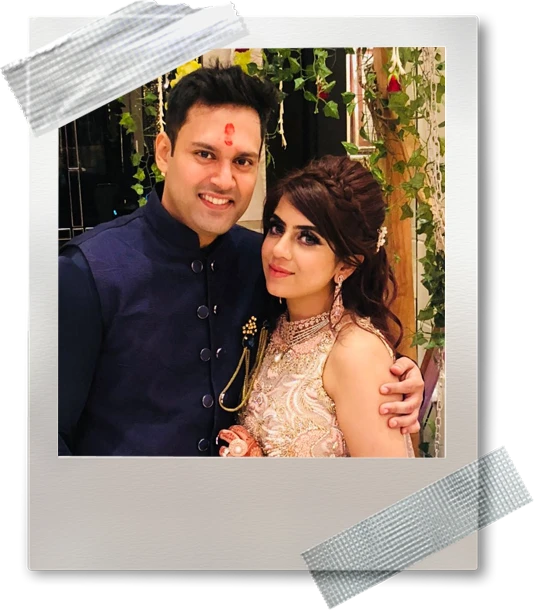
Marriage in the professional baniya marriage bureau in delhi has always been deeply rooted in tradition, family values, and social harmony. However, with the rise of education, corporate careers, entrepreneurship, and global exposure, the way working professionals in the Baniya community approach marriage has evolved significantly. Today’s generation seeks a thoughtful balance between tradition and modern practicality, reshaping how matrimonial decisions are made.
Changing Mindsets in the Baniya Community
From Early Settlements to Informed Decisions
Earlier, marriages in the Baniya community were often finalized at a young age, largely guided by family elders. In contrast, modern working professionals prioritize career stability before committing to marriage. Financial independence, personal maturity, and long-term compatibility are now considered essential foundations for a successful marital life.
Education and Career as Core Priorities
With a strong emphasis on education, many Baniya professionals focus on building careers in business, finance, IT, law, and entrepreneurship. Marriage is no longer viewed as a starting point of adulthood but as a well-planned partnership that complements professional aspirations.
Balancing Tradition with Modern Expectations
Respect for Cultural Values
Despite evolving perspectives, traditions such as community compatibility, family background, and cultural alignment continue to hold importance. Rituals, customs, and festivals still play a role in strengthening bonds between families, even when decisions are more individual-driven.
Preference for Compatibility Over Convention
Modern Baniya professionals place greater emphasis on emotional compatibility, shared goals, and mutual respect. While caste and sub-community considerations remain relevant, they are often balanced with factors like lifestyle preferences, communication style, and long-term vision.
Role of Families in Modern Baniya Marriages
Families as Guides, Not Decision-Makers
In today’s scenario, families act more as facilitators than authority figures. Parents may suggest potential matches, but final decisions often involve detailed discussions with the prospective partner. This collaborative approach ensures both personal choice and family harmony.
Open Conversations and Mutual Understanding
Working professionals encourage transparent conversations about finances, career plans, living arrangements, and responsibilities. These discussions help reduce future misunderstandings and align expectations early in the relationship.
Career Stability and Financial Planning
Financial Independence as a Key Factor
For Baniya professionals, financial security plays a crucial role in marriage decisions. Stable income, business growth, savings, and long-term investments are often discussed openly. This practical approach reflects the community’s traditional strength in financial planning, adapted to modern lifestyles.
Dual-Income Households on the Rise
Many marriages today involve two working partners who support each other’s careers. This shift has led to more equal partnerships, shared responsibilities, and mutual respect, redefining traditional household roles within the community.
Digital Platforms and Modern Matchmaking
Technology-Driven Partner Search
Online matrimonial platforms, professional networking, and social media have become common tools for meeting potential partners. Working professionals prefer platforms that allow them to filter matches based on education, profession, values, and lifestyle compatibility.
Time-Efficient and Personalized Approach
Busy schedules make structured and time-efficient matchmaking appealing. Profiles, virtual interactions, and preliminary conversations help professionals assess compatibility before involving families or taking the next step.
Evolving Expectations from Marriage
Emotional Support and Partnership
Marriage is increasingly seen as a partnership of equals rather than a rigid social arrangement. Emotional support, personal growth, and companionship are considered essential elements of a healthy marital relationship.
Flexibility in Living Arrangements
Urban living, job mobility, and global opportunities have influenced decisions around nuclear families, relocation, and shared responsibilities. Couples often prioritize flexibility and adaptability over fixed traditional setups.
Challenges Faced by Working Professionals
Managing Time and Family Expectations
Balancing demanding careers with family expectations can be challenging. Professionals often navigate pressure related to age, timelines, and social norms while maintaining focus on personal readiness.
Aligning Career Goals Post-Marriage
Discussions around job changes, business expansion, or international opportunities are common. Successful marriages often result from clear communication and willingness to support each other’s ambitions.
The Future of Marriage in the Baniya Community
A Thoughtful Blend of Old and New
The approach to marriage among working professionals in the Baniya community reflects a thoughtful blend of tradition and modern values. Respect for cultural roots continues, but with greater emphasis on individuality, compatibility, and shared decision-making.
Focus on Long-Term Stability
Rather than rushing into marriage, today’s professionals aim for stability, understanding, and long-term happiness. This mindful approach is helping create stronger, more balanced relationships within the community.
Conclusion
Marriage for working professionals in the Baniya community has evolved into a well-considered life decision rather than a social obligation. By combining traditional values with modern expectations, career awareness, and emotional compatibility, today’s generation is redefining matrimonial norms. This balanced approach not only strengthens individual relationships but also ensures that cultural heritage continues to thrive in a changing world.
Don’t miss: How Elite Marriage Bureaus Build Trust Between Two Families