Explore Marriage Rituals in Punjab: From Roka to Anand Karaj

Excited to know the key wedding rituals of Punjab? Here, we list some of them.

1. Roka and Thaka
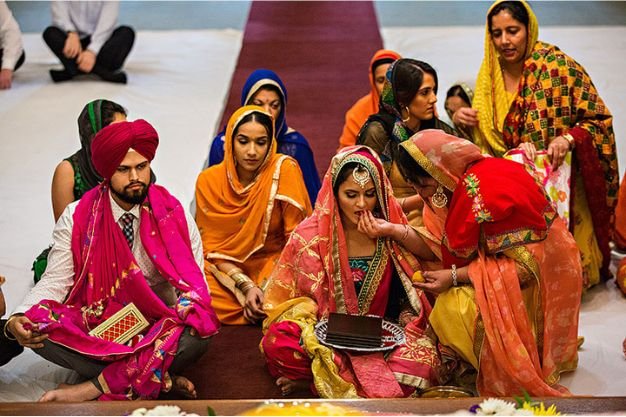
Roka and Thaka

The bride’s family visits the groom’s home and offers him their blessing with some sweets, clothes, fruits, and shogun. This custom starts with a small puja regarded as Adraas.

2. Chunni Ceremony & Sagai
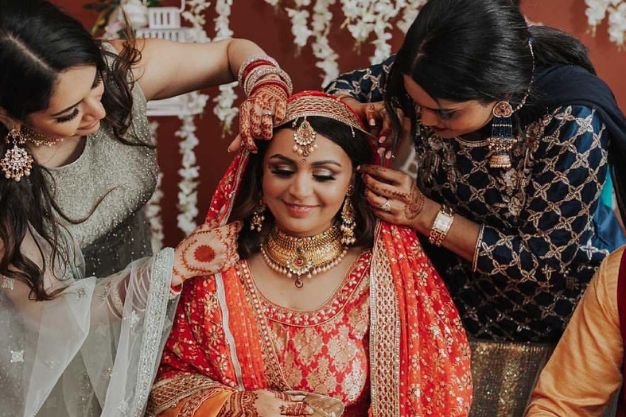
Chunni Ceremony & Sagai

The groom’s family visits the bride’s house with some gifts. The groom’s family gifts a red-colored attire like a lehenga or saree to the bride along with a chunni (dupatta). The couples also exchange rings.

3. Sangeet
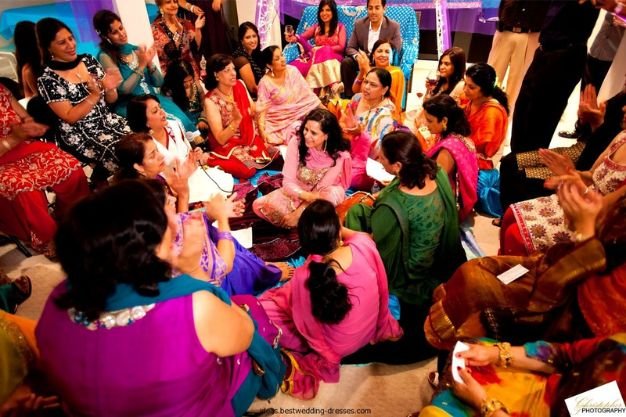
Sangeet

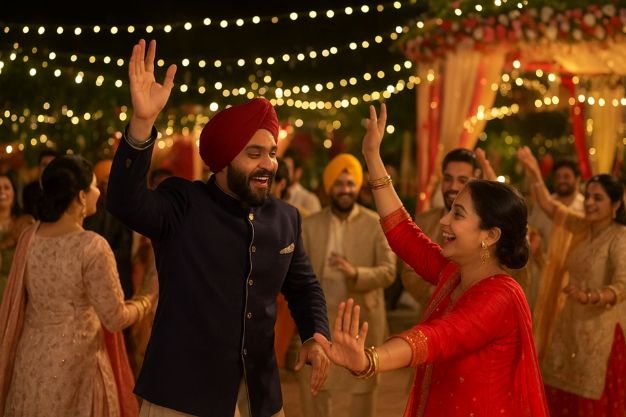
It is a musical and dance celebration usually arranged by the family of a bride. The ladies of the family get together with spoons and dollars, sing folk songs, dance together, and tease a bride.

4. Mehendi
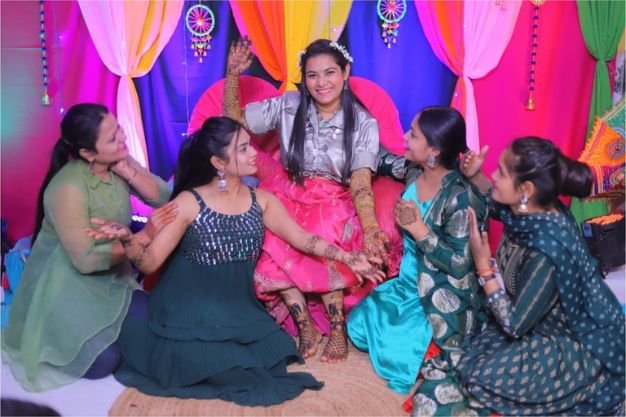
Mehendi

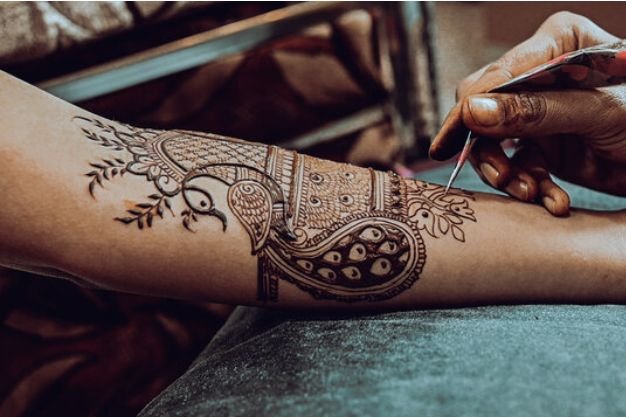
This wedding ceremony takes place just one or two days before marriage. The henna (mehendi) is applied on the arm, hands, and feet of a bride. The bride’s family and friends also get henna applied to their hands.

5. Jaggo
Jaggo

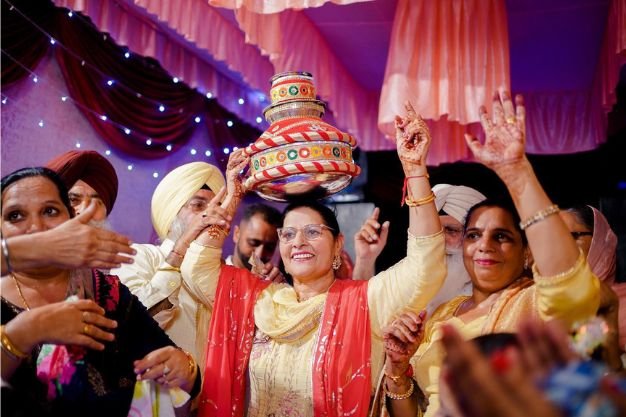
This ceremony is organized the night before the wedding. The maternal aunty carrying copper vessels decorated with lit lamps visits the houses of their relatives and close friends. Other ladies carrying a stick with bells also go with her while singing folk songs. Their friends or relatives feed them some sweets.

6. Chura and Kaleere
Chura and Kaleere


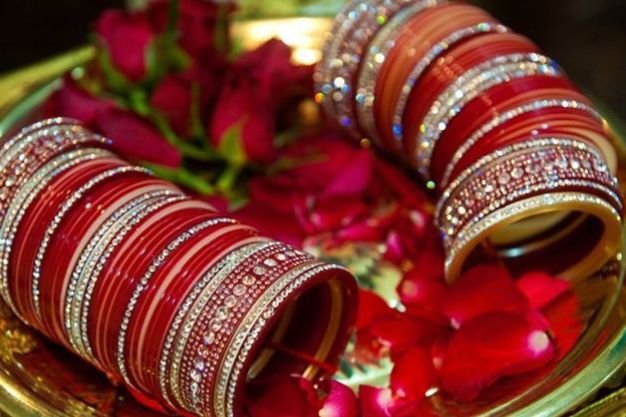
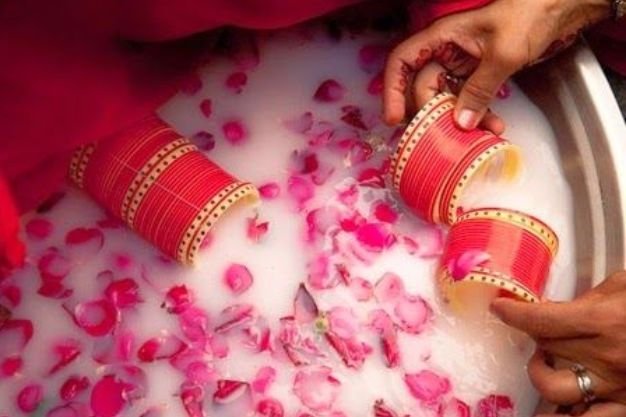
The bride’s maternal uncle slip chura or bangles (purified in milk and rose petals) on the bride’s wrists. The bride’s friends and sisters tie the kaleere to her wrists.

7. Gharoli
Gharoli

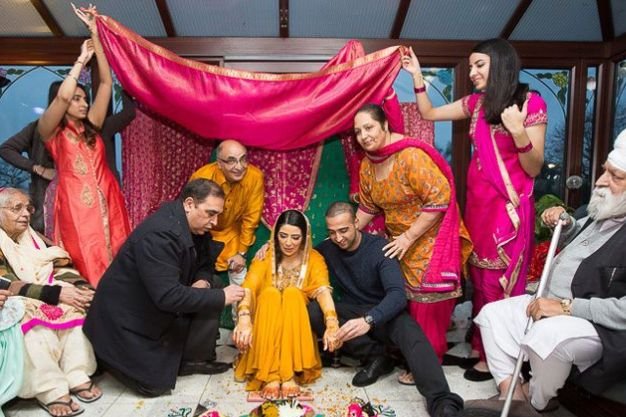
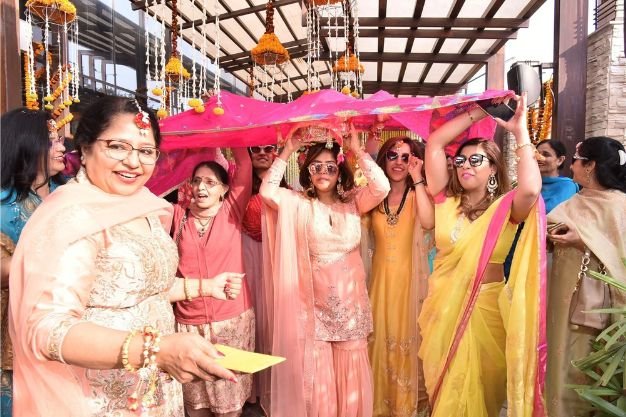
The groom and bride’s sister-in-law visit their nearby temple and couples bathe with pitchers of holy water.

Haldi, Kangna Bandhana, Sehra Bandi, Ghodi Chadna, Varmala, and many more rituals are also performed. If you want to marry a Punjabi girl or boy, find them with a best matrimonial sites in india– Wedgate Matrimony.

Frequently Asked Questions

Q1. What are the main marriage rituals in Punjab?
A1. Punjabi weddings include vibrant rituals like Roka, Mehendi, Haldi, Chooda-Kalire ceremony, and the sacred Anand Karaj.

Q2. What is Anand Karaj in a Punjabi wedding?
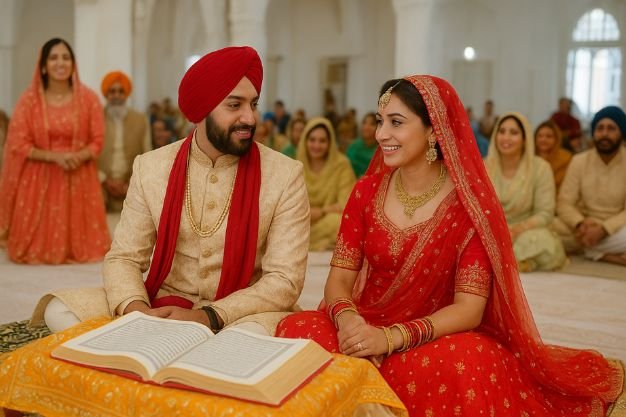
A2. Anand Karaj is the Sikh wedding ceremony held in a Gurdwara, where the couple takes four Laavaan around the Guru Granth Sahib.

Q3.Why do Punjabi brides wear Chooda and Kalire?
A3. Chooda and Kalire symbolize good luck, prosperity, and blessings for the bride’s new journey.

Q4. What happens in the Haldi ceremony?
A4. Family members apply turmeric paste to the bride and groom for purity, glow, and good fortune before the wedding.

Q5. What are the post-wedding rituals in Punjab?
A5. Post-wedding customs include Vidaai, Pani Bharna, and Mukh Dikhai, marking the bride’s welcome into her new home.

Q6. Why are Punjabi weddings so popular?
A6. They are known for their colorful traditions, energetic dances, lively music, and delicious food — a perfect mix of joy and culture.

Releated: Top Sikh Pre and Post-Wedding Rituals
Top Sikh Pre and Post-Wedding Rituals
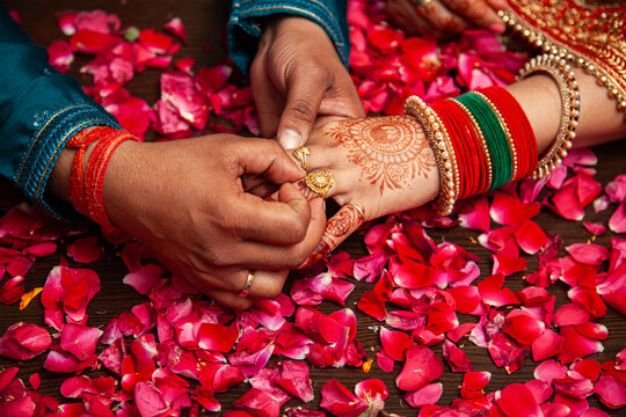
Punjabi weddings are considered to be the best celebration because Punjabis reflect their Sikh culture and beautiful traditions within every wedding ceremony. That’s a reason most people are looking for a Punjabi girl or boy through matrimonial services.

Sikh marriages consist of various rituals that start before the wedding and continue even after the marriage day. In this blog, we have covered some of them.

1. Roka

Roka


In this event, both the families meet at the bride’s home and exchange gifts, sweets, and clothes as a token of love.

2. Engagement or Kurmai

Engagement

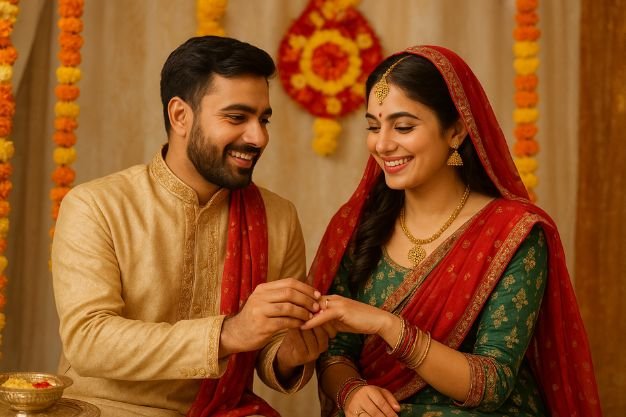
It is an official engagement ceremony in which couples exchange rings and the bride’s family gives kara to the groom.

3. Sangeet

Sangeet

This event is hosted in both houses and celebrated with music, dance, and so much fun. Dinner is followed by music.

4. Mehendi

Mehandi

A Mehendi is designed on the hands and feet of both bride and groom. Other ladies get the Mehendi design made on their hands. Dholak is played and dance is also performed.

5. Chooda

Chooda

The bride’s uncle gifts her chooda which is bathed in yogurt milk and rosewater.

6. Maiyan

Maiyan

Oil and turmeric paste is applied to the hair and body of the bride and groom respectively.

7. Gana


A red thread is tied to the left wrist of the bride and the right wrist of the groom for protection from evil and prosperity.

8. Anand Karaj

Anand Karaj

This is the main wedding ceremony in which the priest of Gurudwara reads Guru Granth Sahib and explains the importance of marriage to the couple. He describes the couple’s duties towards each other.

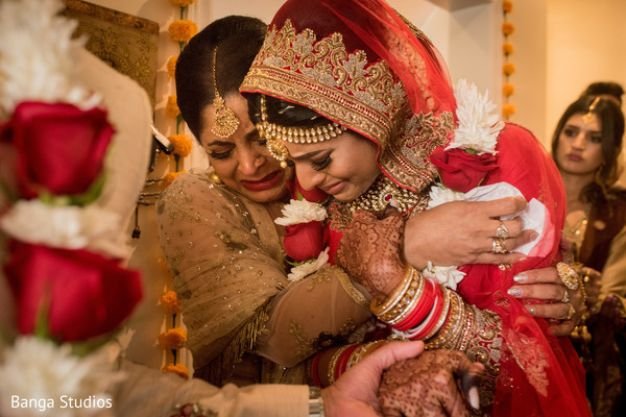
9. Vidai

vidai

This is the time when the bride officially leaves with her new family and bids an emotional farewell to her own family. The bride’s mother-in-law welcomes a newlywed couple into their home.

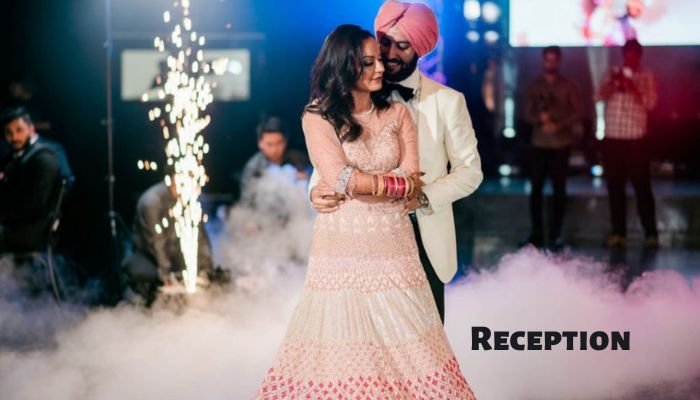
10. Reception

Reception

The groom’s parents organize a reception after the wedding as a formal introduction of the newlywed couple to their family, friends, and relatives.

11. Phere Pauna


Phere Pauna in Sikh weddings marks the bride’s joyous return to her parental home post-marriage, symbolizing enduring family bonds. It’s a cherished tradition celebrating love and connections beyond matrimony.

Wrapping Up

For marriages and relationships to succeed, the couple has some similarities in their upbringing, spiritual beliefs, and family backgrounds. So, while looking for Sikh boys for marriage, consider exploring a host of profiles at the leading marriage bureau – Wedgate Matrimony. Here, you’ll find a long list of Sikh boys from India and overseas.

Frequently Asked Questions

Q1. What are the main pre-wedding rituals in a Sikh marriage?
A1. Pre-wedding rituals in Sikh culture include Roka or Thaka, Kurmai (engagement), Chunni ceremony, and Mehendi. These customs symbolize the union of two families and mark the joyful beginning of the wedding celebrations.

Q2. What happens during the Anand Karaj ceremony?
A2. Anand Karaj is the sacred Sikh wedding ceremony conducted in a Gurdwara. The couple takes four Laavan (holy rounds) around the Guru Granth Sahib, representing their spiritual bond, mutual love, and lifelong commitment.

Q3. What is the significance of the Chunni ceremony in Sikh weddings?
A3. The Chunni ceremony is when the groom’s family formally blesses the bride. The groom’s mother drapes a red scarf over the bride’s head, symbolizing acceptance, respect, and the beginning of a new chapter in her life.

Q4. Which post-wedding rituals are performed in Sikh culture?
A4. After the wedding, rituals like Doli (bride’s farewell) and Paani Varna (welcoming the bride at the groom’s home) take place. These customs celebrate the bride’s new journey and strengthen the bond between both families.

Q5. What emotions are associated with the Doli ceremony?
A5. The Doli ceremony is an emotional moment when the bride bids farewell to her parents and family. It signifies love, blessings, and the start of her married life in her new home.

Q6. How long do Sikh wedding celebrations usually last?
A6. Sikh weddings are vibrant and can last for several days, starting from pre-wedding functions filled with music and joy to post-wedding gatherings that celebrate the couple’s new life together.

Don’t miss: 10 Proven Tips to Help you Prosper in Your First Year of Wedding

Step-by-Step Guide to Traditional Punjabi Wedding Rituals

Punjabi weddings are known for their grandeur, vibrancy, and heartfelt traditions that beautifully blend spirituality with celebration. Rooted deeply in Sikh and Hindu customs, these weddings are more than just ceremonies-they are a joyous union of two families. From the playful pre-wedding functions to the sacred wedding vows, every step is infused with cultural richness, music, dance, and blessings.

If you are curious about what makes a traditional Punjabi wedding so unique, here’s a step-by-step guide to the rituals and traditions that mark this memorable journey.

Pre-Wedding Rituals

1. Roka and Thaka

The wedding festivities begin with the Roka ceremony, where both families formally announce the match. The groom’s family visits the bride’s home with gifts, sweets, and blessings. Similarly, Thaka marks the groom’s acceptance by the bride’s family.

2. Engagement (Shagan)

This ceremony is the official exchange of rings, sweets, and gifts between the families. The bride and groom receive blessings, and the wedding date is often finalized during this event.

3. Mehendi

A colorful and fun-filled event, Mehendi involves applying intricate henna designs on the bride’s hands and feet. It symbolizes beauty, joy, and prosperity. Music, dance, and traditional songs make it one of the most awaited ceremonies.

4. Sangeet

The Sangeet night is all about dance, laughter, and music. Families from both sides come together for performances, celebrating the upcoming union with dhol beats and Punjabi songs.

Wedding Day Rituals

1. Chooda and Kalire Ceremony

On the wedding day, the bride wears Chooda-a set of red and ivory bangles gifted by her maternal uncle. Golden danglers called Kalire are tied to the bangles, symbolizing prosperity and blessings for her new life.

2. Sehrabandi

Before leaving for the wedding, the groom’s turban is tied by an elder male relative, and a floral adornment called Sehra is placed on it. This ritual signifies his readiness to step into married life.

3. Baraat and Milni

The groom arrives at the wedding venue with his baraat (wedding procession), filled with music, dancing, and cheer. At the entrance, the bride’s family greets the groom’s family in a ritual known as Milni, where garlands and gifts are exchanged.

4. Anand Karaj / Pheras

The sacred wedding ceremony, Anand Karaj (for Sikhs) or Pheras (for Hindus), is performed around the holy Guru Granth Sahib or the sacred fire. The couple takes vows of love, respect, and lifelong companionship while chanting prayers.

Post-Wedding Rituals

1. Vidaai

One of the most emotional moments of the wedding, the bride bids farewell to her family to begin her new journey. She throws handfuls of rice behind her as a symbol of gratitude.

2. Griha Pravesh

Upon arrival at the groom’s home, the bride is warmly welcomed by her in-laws. She enters the new home by gently kicking a pot of rice, symbolizing abundance and prosperity.

3. Reception

The celebrations continue with a grand reception hosted by the groom’s family. It is a joyful gathering to welcome the bride and celebrate the new couple’s union.

Key Highlights of Punjabi Weddings

  • Vibrant and colorful ceremonies filled with music and dance
  • Rituals symbolizing blessings, prosperity, and new beginnings
  • Strong emphasis on family bonding and cultural traditions
  • Fusion of spiritual significance with festive celebrations

Wedgate Matrimony

Wedgate Matrimony is a trusted matrimonial service dedicated to helping individuals and families find their perfect life partners. With a strong focus on tradition, values, and personalized matchmaking, Wedgate combines modern technology with human expertise to create meaningful connections. Their professional approach, verified profiles, and community-specific services make them a preferred choice for those seeking a lifelong bond.

Conclusion

A traditional Punjabi wedding is more than just a union of two people-it’s a cultural extravaganza that celebrates love, family, and heritage. Each ritual, from Roka to Griha Pravesh, carries deep meaning and strengthens the bond between families. Whether you are attending or planning one, experiencing these rituals step by step will leave you with memories to cherish for a lifetime.

Don’t Miss: Best Matrimonial Services in Noida: Find Your Perfect Baniya Match