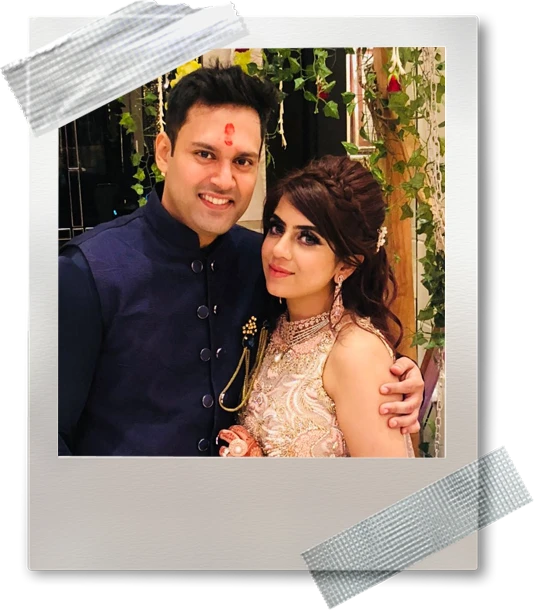
Tips to Navigate Cultural Differences in NRI Marriages

In today’s increasingly globalized world, Non-Resident Indian (NRI) marriages are more common than ever. These unions often bring together partners from varied cultural, social, and even linguistic backgrounds. While such diversity can enrich a relationship, it can also pose unique challenges. Successfully navigating cultural differences requires patience, understanding, and open communication. Here are some practical tips to help couples thrive in an NRI marriage.

1. Embrace Cultural Diversity with an Open Mind

Cultural differences can be enriching when viewed through a lens of curiosity rather than conflict. Whether it’s food habits, religious practices, festivals, or social etiquette, it’s important to approach each other’s traditions with respect and a willingness to learn.

Tip:
Take time to learn about your partner’s background. Ask questions, attend cultural events together, and make an effort to understand the “why” behind certain practices. This not only builds a connection but also shows genuine respect.

2. Communicate Clearly and Honestly

One of the biggest hurdles in any marriage is poor communication. In cross-cultural NRI marriages, miscommunication can become more pronounced due to differing values or ways of expressing emotion.

Tip:
Be clear about your expectations, both short-term and long-term. Whether it’s about career, children, or extended family responsibilities, having open conversations can prevent future misunderstandings. Use respectful language and avoid making assumptions based on stereotypes.

3. Understand and Respect Each Other’s Family Dynamics

Indian families often play a significant role in marital life, especially in NRI settings where family values and traditions can remain strong even in a foreign land. Navigating differing expectations from both sides can be tricky but is essential.

Tip:
Talk openly about each other’s family roles and expectations. If one partner comes from a more conservative or hierarchical family while the other is used to more autonomy, understanding these dynamics is key to reducing friction.

4. Blend, Don’t Erase, Traditions

Rather than choosing one culture over another, find ways to blend both. Celebrating Diwali alongside Christmas or combining Indian wedding rituals with Western customs can enrich your shared life.

Tip:
Create new traditions as a couple. For example, cook each other’s favorite traditional meals, or celebrate regional festivals together. This not only strengthens your bond but also honors both backgrounds.

5. Be Patient During the Adjustment Period

Adjusting to a new culture or lifestyle can be overwhelming. Whether one partner is relocating to a new country or simply adapting to a new way of life, patience and empathy go a long way.

Tip:
Give yourselves time to adapt. Recognize that cultural assimilation is a gradual process and support each other through it. Celebrate small wins and milestones to keep the positivity alive.

6. Set Boundaries Early On

Different cultures have varying views on personal space, gender roles, parenting, and even finances. It’s important to discuss and agree on boundaries early in the relationship.

Tip:
Establish ground rules for decision-making, handling in-laws, and resolving conflicts. A clear understanding of boundaries can prevent issues from snowballing later.

7. Seek Professional Help If Needed

There’s no shame in seeking external support to work through cultural differences. Marriage counseling or cross-cultural coaching can offer valuable insights and tools.

Tip:
Choose a counselor familiar with intercultural relationships. They can guide you in navigating sensitive topics and building a shared cultural identity.

Wedgate Matrimony

Wedgate Matrimony is a trusted matrimonial service provider known for its personalized matchmaking, cultural sensitivity, and vast database of verified profiles. With years of experience, it caters to diverse communities and offers professional guidance to help individuals find compatible life partners with ease and confidence.

Conclusion

NRI marriages come with a unique set of challenges, but they also offer an opportunity to grow as individuals and as a couple. By embracing each other’s cultures, maintaining open communication, and supporting one another through the learning curve, couples can build a strong, resilient bond that stands the test of time.

Don’t Miss: The Importance of Trust and Transparency in a Healthy Marriage
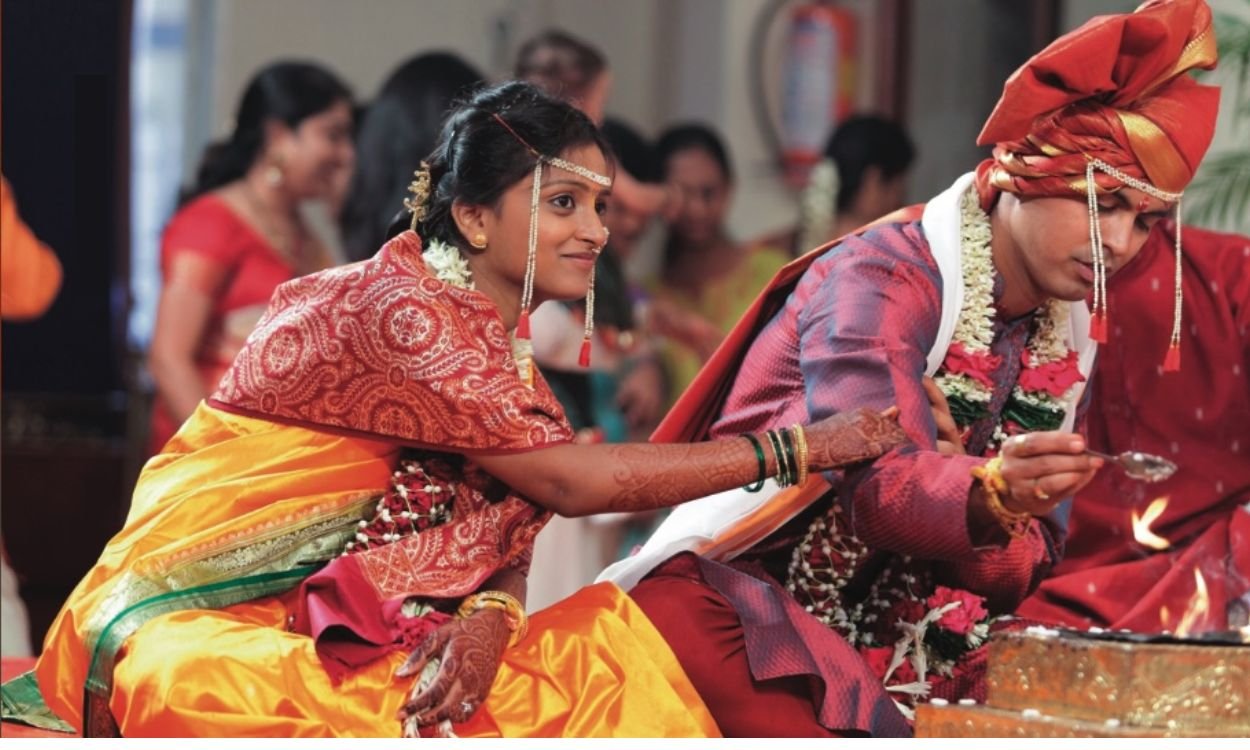
How to Manage Family Conflicts Without Affecting Marriage

Marriage is not just the union of two individuals but also a merging of families, values, and expectations. While this bond brings joy and togetherness, it can also give rise to family conflicts that test the strength of the relationship. Whether it’s differences with in-laws, sibling issues, or cultural misunderstandings, these conflicts can strain even the happiest marriages if not handled wisely. The good news is that with the right approach, you can navigate family disputes without letting them affect your marriage.

1. Prioritize Your Relationship

Your marriage should always remain your top priority. When you show loyalty and support to your spouse during family conflicts, it builds trust and emotional safety.

Tips:

  • Stand by your partner, especially during disagreements with your family.
  • Avoid taking sides publicly, especially in front of extended family members.
  • Communicate privately and constructively if you disagree with your spouse’s approach.

2. Set Healthy Boundaries

Clear boundaries help prevent interference and ensure mutual respect between families and couples.

How to Set Boundaries:

  • Decide together what is acceptable and what is not in terms of family involvement.
  • Politely but firmly communicate boundaries to both sides of the family.
  • Revisit and adjust boundaries as needed over time.

3. Foster Open and Honest Communication

Miscommunication often fuels conflict. Creating a safe space to talk openly with your spouse helps prevent misunderstandings and emotional distance.

Ways to Encourage Communication:

  • Use “I” statements to express your feelings without blaming.
  • Pay close attention and genuinely try to understand your partner’s perspective.
  • Schedule regular check-ins to discuss any concerns calmly.

4. Be a Team Player

Facing family issues as a united front reinforces your bond and makes handling conflict less stressful.

Teamwork in Action:

  • Discuss problems together before responding to any family situation.
  • Avoid criticizing each other in front of others.
  • Support one another’s emotional needs during family gatherings or confrontations.

5. Practice Empathy and Patience

Try to see the conflict from multiple perspectives — your partner’s, your family’s, and your own. This approach fosters understanding and reduces emotional reactivity.

How to Show Empathy:

  • Ask your partner how they feel and validate their emotions.
  • Try to understand the motivations behind family members’ behavior.
  • Avoid jumping to conclusions or reacting in anger.

6. Don’t Air Dirty Laundry Publicly

Keep private matters within the relationship. Sharing too much with family or friends can worsen the conflict and create long-lasting resentment.

Things to Avoid:

  • Venting about your spouse to your family.
  • Allowing relatives to influence your marital decisions.
  • Posting sensitive issues on social media.

7. Seek Professional Help When Needed

Sometimes, family dynamics are too complex to manage alone. A professional counselor or therapist can provide neutral ground and practical strategies to resolve tensions.

When to Consider Counseling:

  • If arguments keep recurring without resolution.
  • When either partner feels isolated or overwhelmed.
  • If the conflict is affecting your mental health or intimacy.

Wedgate Matrimony

Wedgate Matrimony is a premier matrimonial service provider based in Delhi, India, with over 12 years of experience in the industry. Recognized as one of the top matrimonial agencies in Delhi NCR, Wedgate Matrimony offers a range of services including wedding event packages, event management, and photography. Their online platform facilitates ethical and community-based profile management, helping individuals find their ideal life partners.

Conclusion

Family conflicts are a natural part of married life, but they don’t have to damage the foundation of your relationship. By focusing on communication, boundaries, empathy, and mutual support, couples can navigate even the toughest situations while strengthening their bond. Remember, it’s not about choosing between your spouse and your family — it’s about finding a healthy balance that respects and nurtures both.

Don’t Miss: Steps to Rebuild Trust After a Rough Patch in Marriage

Tips for Maintaining Harmony in a Multicultural Marriage

Marriage is a union of hearts, minds, and sometimes, vastly different worlds. When two people from distinct cultural backgrounds tie the knot, they bring a wealth of traditions, beliefs, and experiences into the relationship. While this diversity can make the bond extraordinary, it also calls for an intentional effort to maintain peace and understanding. Below are some practical tips to help couples thrive in a multicultural marriage.

Harmony in a Multicultural Marriage

Prioritize Clear and Kind Communication

In any marriage, communication is key—but in a multicultural one, it’s a lifeline. Language differences or contrasting communication styles can create confusion if not addressed. Be open about your thoughts and feelings, and invite your partner to do the same. If one of you speaks more indirectly due to cultural norms, clarify meanings to avoid missteps.

Set aside time to talk about your day-to-day lives and bigger dreams alike. Patience is your ally here—especially if words get lost in translation. A warm smile or a gentle touch can often say what words can’t.

Blend Traditions with Joy

A multicultural marriage offers a treasure trove of customs to explore. Instead of picking one culture over the other, dive into both with enthusiasm. Celebrate festivals like Lunar New Year or Thanksgiving together, sampling each other’s foods and rituals. This mutual participation builds respect and creates lasting memories.

Why not invent something new? Mix a dance from one culture with music from another for your anniversary, or craft a holiday that honors both heritages. These shared creations become the heartbeat of your unique family story.

Navigate Value Clashes with Care

Cultural roots often influence deep-seated values—think religion, gender roles, or money management. What feels instinctive to one partner might puzzle the other. Approach these differences with a willingness to listen rather than convince. Find compromises that reflect both of your priorities.

For instance, if one values saving for the future while the other enjoys spontaneous spending, agree on a budget that balances both. Mutual respect turns potential conflicts into opportunities for growth.

Learn and Share Knowledge

Ignorance can breed tension, so take time to study your partner’s culture. Explore its history, try its recipes, or learn a few phrases in their language. This effort shows love and helps you connect on a deeper level. Likewise, introduce your family to your spouse’s world—maybe host a meal featuring their traditional dishes.

When relatives understand and appreciate your partner’s background, it eases external pressures and fosters unity across the board.

Resolve Disputes Thoughtfully

Conflict styles can vary widely across cultures. One partner might seek a quiet resolution, while the other thrives on animated discussions. Recognize these tendencies and meet in the middle. Focus on the issue at hand, not cultural stereotypes, to keep disagreements fair and productive.

A deep breath and a willingness to see your partner’s side can go a long way. It’s about solving problems together, not winning an argument.

Lean on Like-Minded Friends

Connecting with others in multicultural marriages can be a game-changer. They get the quirks and challenges you face—like explaining why certain holidays matter or juggling family expectations. Join local meetups or online forums to swap stories and advice.

This network reminds you that your journey, while unique, isn’t isolated. It’s a source of strength when the road gets bumpy.

Laugh Together Often

Humor is a glue that holds couples together, especially when cultural quirks pop up. Missteps—like botching a traditional greeting or burning a cultural dish—can become funny tales instead of sore spots. A shared laugh keeps things light and reminds you why you chose each other.

Embrace the silliness of your differences; it’s part of what makes your love special.

Wedgate Matrimony

Wedgate Matrimony is a trusted matchmaking service dedicated to helping individuals find their perfect life partners. With a vast database of verified profiles and a personalized approach, they ensure meaningful and compatible matches. Their expert team understands your values, preferences, and aspirations to create successful unions. Whether seeking a traditional or modern alliance, Wedgate Matrimony is committed to making your journey to marriage smooth, secure, and fulfilling.

Wrapping Up

A multicultural marriage is a dance of two souls weaving their worlds into one. With open hearts, mutual respect, and a dash of creativity, it can be a source of endless joy and discovery. The effort you put in builds not just a partnership, but a legacy of unity.

Don’t Miss: How to Handle Cultural Differences in an Intercaste Marriage

Why Communication is Key in Marriage: Expert Advice

Marriage is a union of two individuals, each bringing their unique personality, experiences, and expectations. As two people navigate their shared life journey, communication stands out as the cornerstone of a successful relationship. Effective communication fosters connection, resolves conflicts, and nurtures the bond between partners. Experts in relationship counseling emphasize the importance of communication in ensuring a lasting and fulfilling marriage.

Communication is Key in Marriage

The Role of Communication in Marriage

Communication is more than just talking—it’s about connecting, understanding, and responding to your partner in ways that promote trust and intimacy. Good communication ensures that both partners feel heard, valued, and supported.

Emotional Connection
One of the fundamental benefits of open communication is that it strengthens the emotional connection between partners. When you communicate effectively, you’re not just conveying information—you’re sharing your thoughts, feelings, and vulnerabilities. This deepens the bond and allows both partners to grow closer, fostering mutual understanding and empathy.

Conflict Resolution
Disagreements are inevitable in any relationship, but how couples handle conflict is what ultimately defines their marriage. Strong communication skills are essential for resolving conflicts healthily and constructively. By communicating openly and without judgment, couples can navigate their differences and find common ground, avoiding unnecessary resentments.

Strengthening Trust and Intimacy
Clear, honest communication builds trust. When partners feel safe enough to express their emotions and concerns without fear of rejection or criticism, they are more likely to trust each other. This trust, in turn, deepens intimacy, creating a secure foundation for both emotional and physical closeness.

Expert Tips for Effective Communication

Communication may seem like a simple concept, but mastering it takes time, practice, and patience. Experts suggest several strategies to enhance communication skills within a marriage.

1. Active Listening
Listening is just as important as speaking when it comes to communication. Active listening involves focusing entirely on your partner’s words without interrupting or thinking about your response while they’re speaking. It shows respect and helps you understand your partner’s point of view.

Tips for Active Listening:

  • Maintain eye contact
  • Nod or use brief verbal cues like I understand
  • Avoid distractions, such as phones or TV
  • Repeat what you heard to ensure understanding

2. Speak from the Heart
Rather than being defensive or attacking, use “I” statements to express your feelings. For example, instead of saying, “You never listen to me,” try, “I feel unheard when I talk about my concerns.” This approach reduces the chances of the other person feeling blamed and promotes a more open dialogue.

3. Be Honest and Transparent
Honesty forms the bedrock of healthy communication. Even when it’s uncomfortable, telling the truth ensures that both partners are on the same page. Hiding emotions or avoiding difficult topics can lead to misunderstandings and feelings of disconnection.

4. Respectful Disagreement
Disagreements in marriage are normal, but it’s how you handle them that matters. Avoid yelling, name-calling, or belittling your partner. Instead, focus on discussing the issue, not attacking the person. A respectful disagreement allows both partners to feel heard and valued, even if they don’t agree on everything.

5. Non-verbal communication Matters
Communication isn’t limited to words. Non-verbal cues—such as body language, tone of voice, and facial expressions—can speak volumes. Ensure that your non-verbal communication aligns with your spoken words to avoid confusion or mixed messages.

How to Improve Communication in Marriage

Improving communication takes conscious effort and a willingness to grow together as a couple. Here are a few ways to start enhancing communication in your marriage:

Set Aside Time for Connection: Regularly check in with your partner about how they’re feeling or what’s going on in their life. It could be a simple 10-minute conversation every day that keeps both of you connected.

Practice Patience: Sometimes, it’s not about having the perfect response but about being there for your partner. Give them the time and space they need to express themselves.

Seek Professional Help: If communication issues persist, consider seeking help from a marriage counselor or therapist. Sometimes, an expert can provide valuable insights and tools to improve communication.

Wedgate Matrimony

Wedgate Matrimony is recognized as one of the best matrimonial services in Delhi, offering a personalized and trusted platform for individuals seeking meaningful and lasting relationships. With a deep understanding of diverse cultural values and personal preferences, they provide tailored matchmaking solutions to ensure compatibility and long-term happiness. Their expert team is dedicated to guiding clients through every step of the matchmaking process, making the journey towards finding a life partner smooth and successful. Wedgate Matrimony’s commitment to quality service and client satisfaction has made it a top choice for those looking for a reliable and effective matrimonial service in Delhi.

Conclusion

In any marriage, communication is the foundation upon which everything else is built. When couples prioritize open, honest, and respectful communication, they create a partnership that can weather life’s challenges and grow stronger over time. Effective communication fosters understanding, deepens intimacy, and ensures that both partners feel valued and loved. By continuously working on communication, couples can strengthen their relationship and ensure a lasting, fulfilling marriage.

Don’t Miss: 5 Key Signs You’re Ready for Marriage